
History Of Silage Machinery
As part of the 2012 show We Held a Working display of the History of Silage Machinery & the Inventions that have influenced silage production over the past 100 years and even further
The demonstration focused on the implements in particular, but also the inventions in tractors that has shaped machinery as we know it today
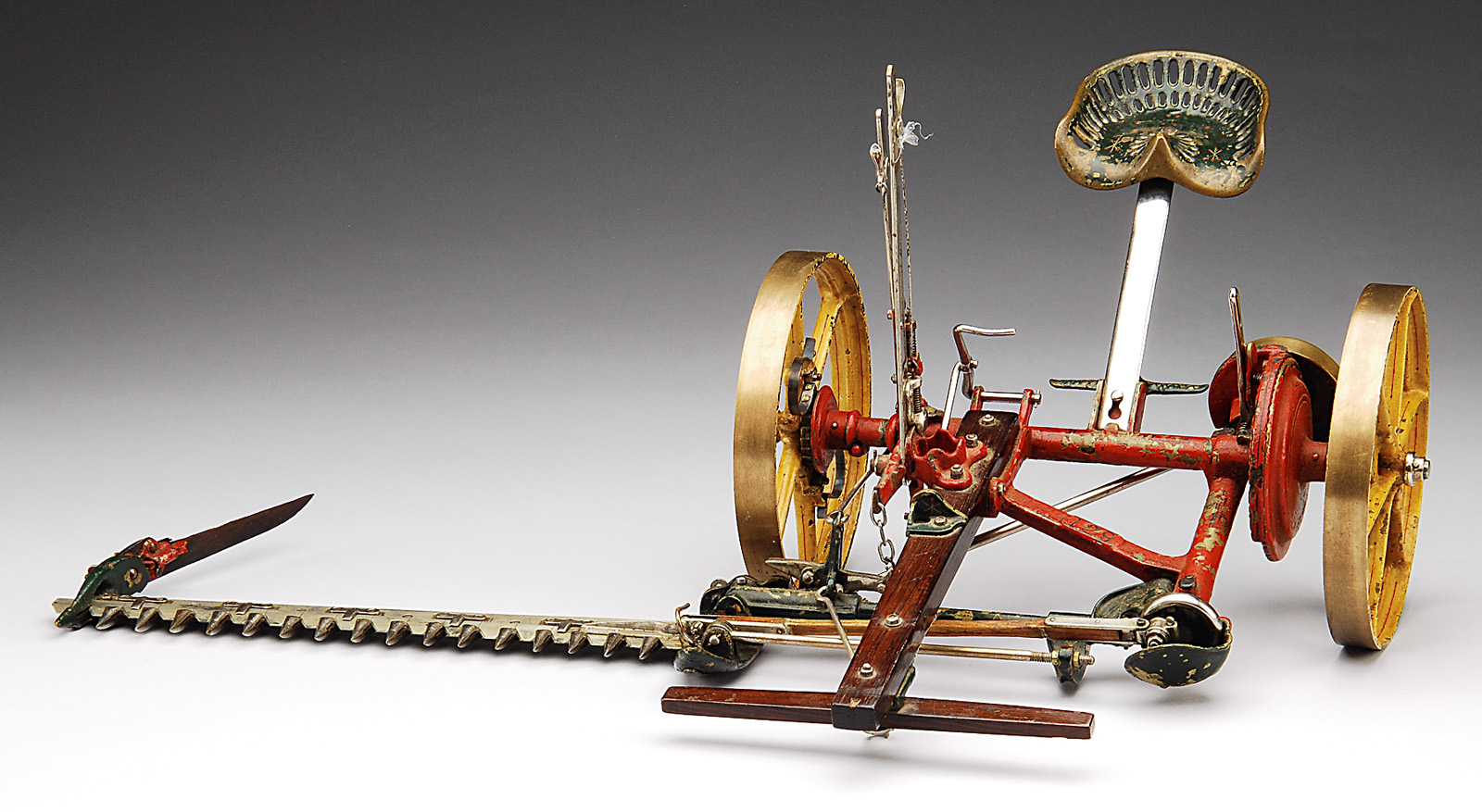
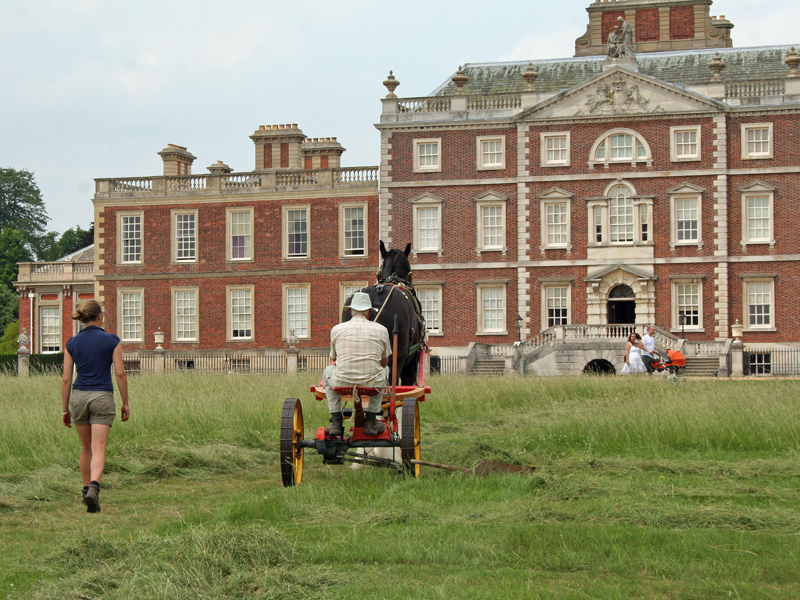
Firstly, in the late 1800’s the finger bar mower was invented as a ground driven horse pulled implement to cut grass. This replaced the sythe and was roughly around the same time as fermentation of grass was toyed with as a method of feeding cattle. Yes, silage dates back to the 1880’s & possibly even before.
As time moved on, and in 1901 Hart-Parr made the first machine ever to be called a “Tractor”. Only one of these was built & sold in 1902. They continued to perfect their machinery and the first standardised tractor they made was in 1903. The Hart-Parr 22-45, in all 12 of these were made, a huge success by all meenss.
The last time the Hart-Parr No. 1 was seen was in the mid 60’s and this picture was taken of it

A replica was built for the Hart-Parr museum in Iowa
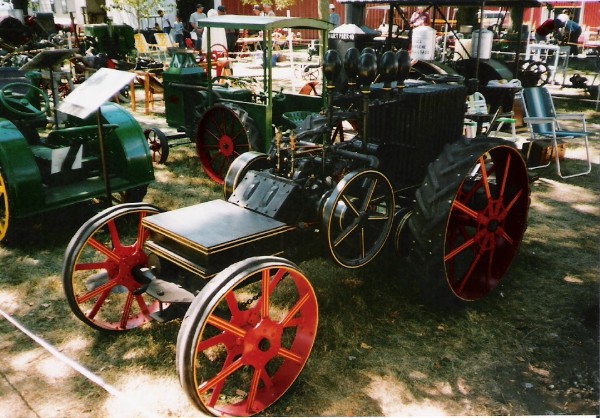
As these machines are rare even in America, we’ve luckily found a Hart-Parr 18-36 to represent the “Tractor” at the show
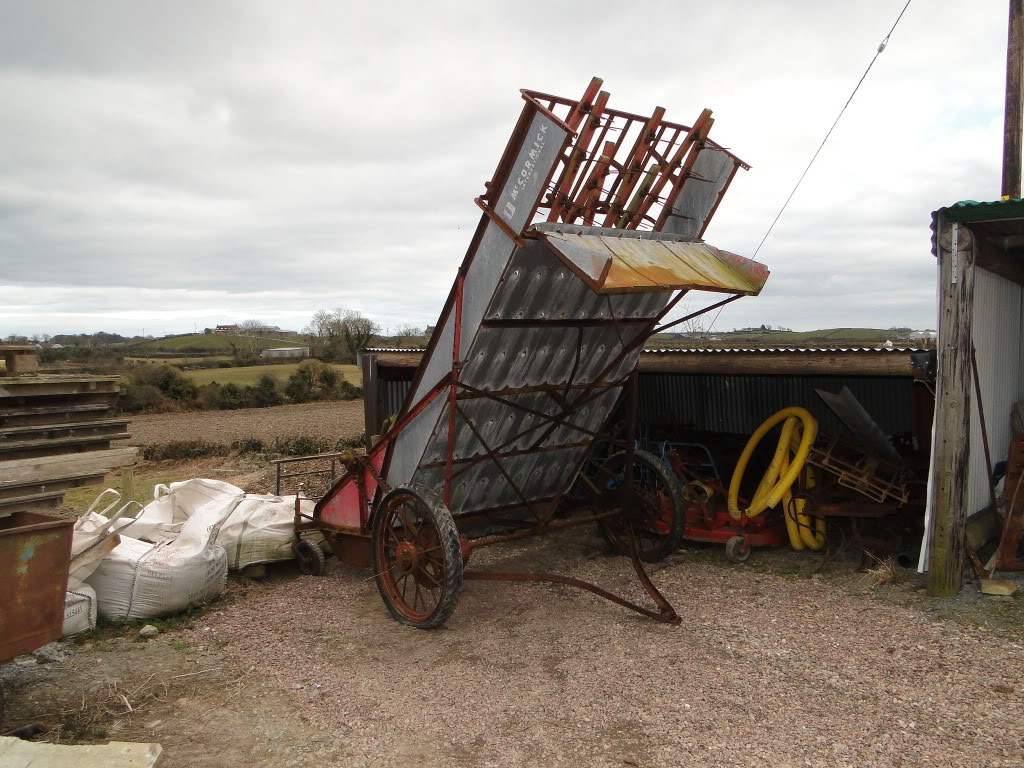
In 1910 a new invention for lifting grass from the field to the trailer was invented. the first models were light and were designed for hay, by the 1920’s they had been updated to be able to lift heavy green crops. this machine was called the Green Crop Loader. McCormack-Deering made quite a lot of these machines and we’ve found one from 1929 to be worked on the day
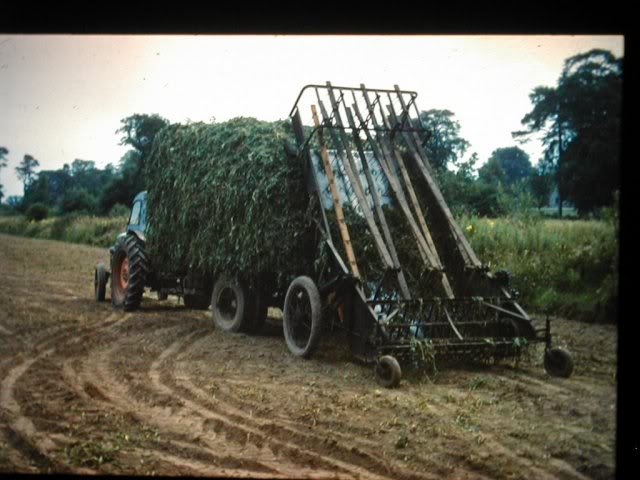
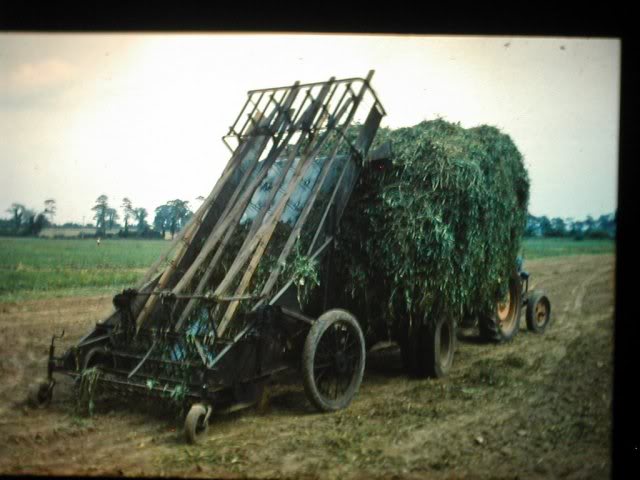
the 1929 GC Loader that will be working at the show
1926 — Irish mechanic Harry Ferguson patents the three-point linkage, or hitch, for agricultural tractors in Britain. The hydraulically operated and controlled 3-point hitch utilized the draft of the mounted tool to moderate the depth of the tool and the load on the tractor.
1933 —Harry Ferguson’s 3-point hitch is attached to a David Brown tractor in England, creating the Ferguson-Brown model A. By 1937, sales dropped and relations between Brown and Ferguson became hostile. Ferguson shopped his system to Henry Ford in 1939 and together they release the Ford model 9N. This partnership dissolves, resulting in a lawsuit over royalties. By 1960, Ferguson’s patent expires and the 3-point hitch becomes the industry standard.
A very rare & immaculately restored Ferguson Brown at the Dunmore Vintage Show 2010, this will hopefully be demonstrating the 3pt linkage with a buckrake on the day

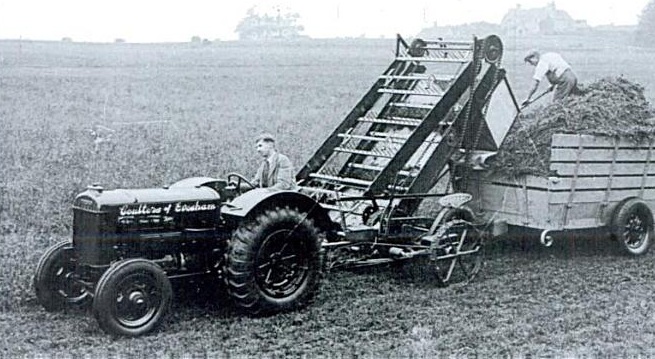
The next machine we still need to find, unfortunately a very rare machine. The first Single Pass machine built by John Wilder LTD of Reading UK in 1935, called the CutLift. it was effectively a redesigned greencrop loader with a finger bar mower, at first was ground driven from 1935 but later updated to PTO powered by the mid 40’s
It was featured in a short Film promoted by the Northern Ireland Office to encourage farmers to produce silage durding the war times, the film is entitled Simple Silage & was filmed on Prospect farm in 1942, only 3 miles from Stormont. The film can be accessed in the digital archives of Northern Ireland museums
Link:
Pictures of the CutLift
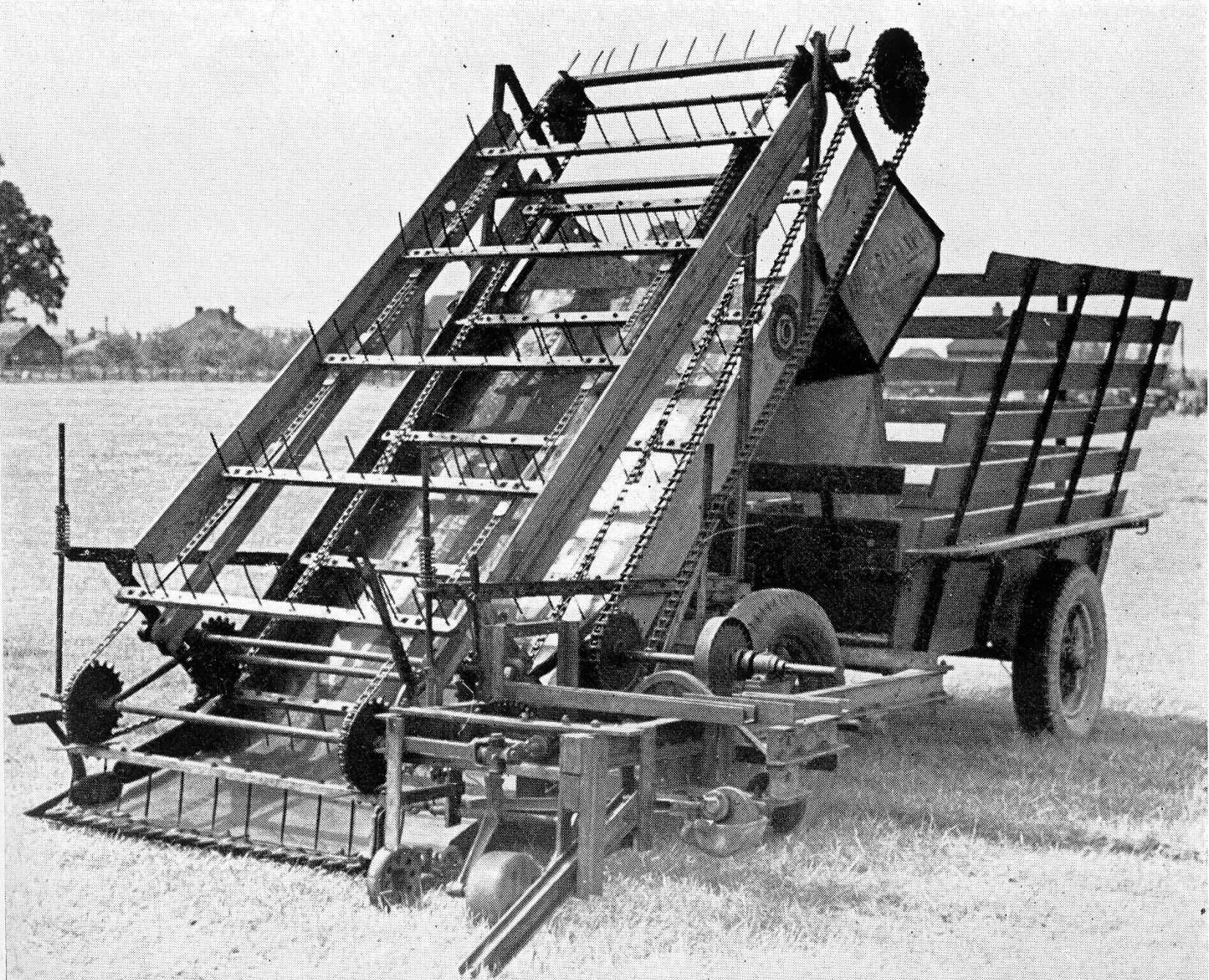
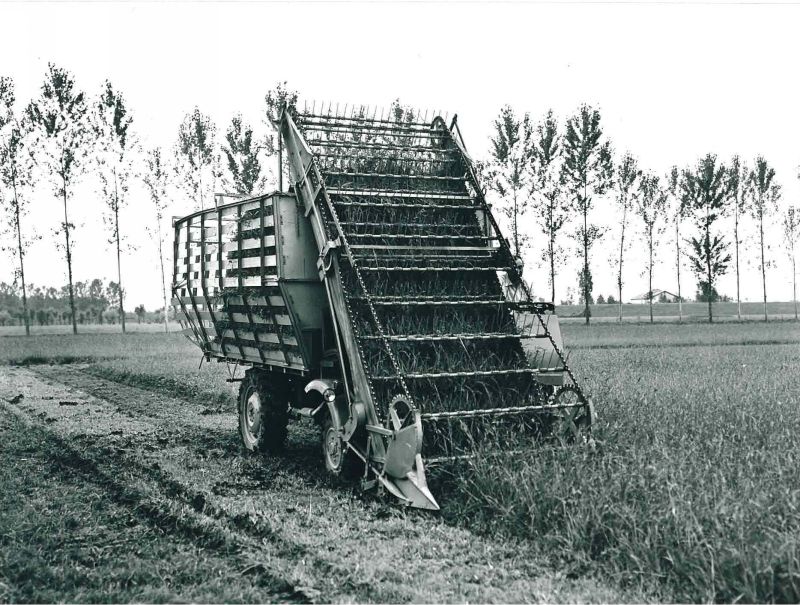
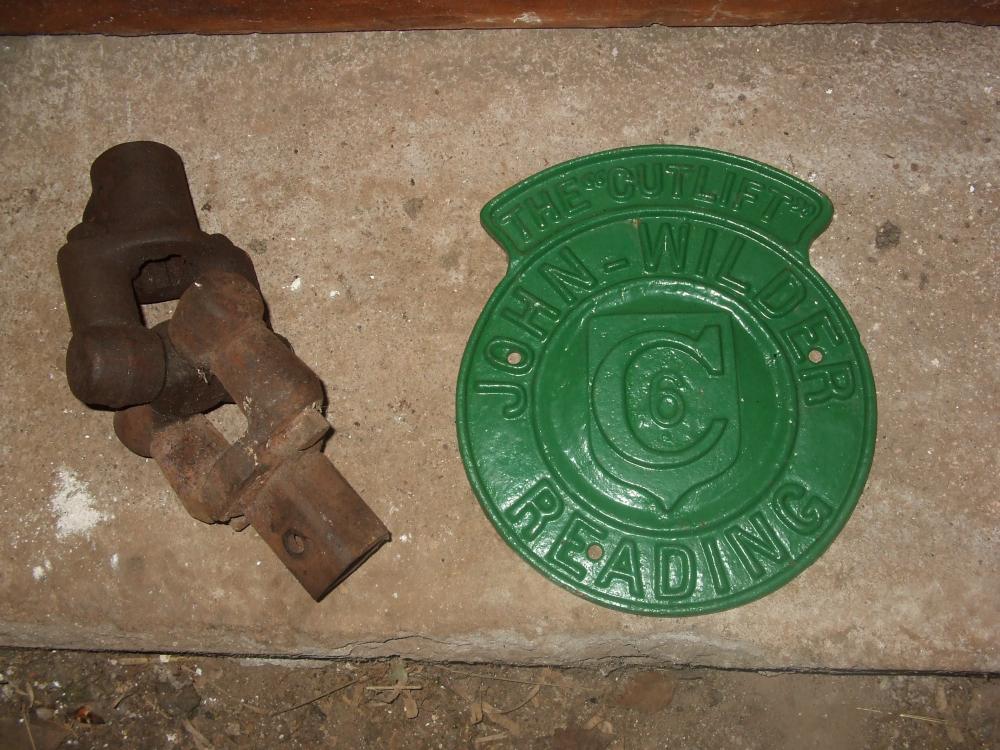
The closest we’ve come to finding one is the badge plate and pto knuckle from one
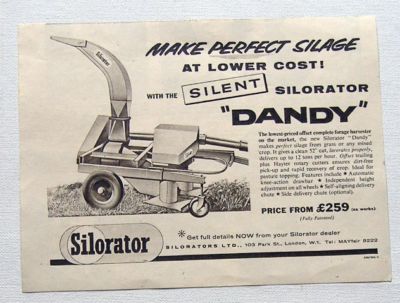
as the effects of the war began to fade, industry started booming in europe yet again and with all the technological advances war brings, post war are then applied to everything else, 1954 saw the introduction of the “Silorator” which was greatly promoted by Landrover
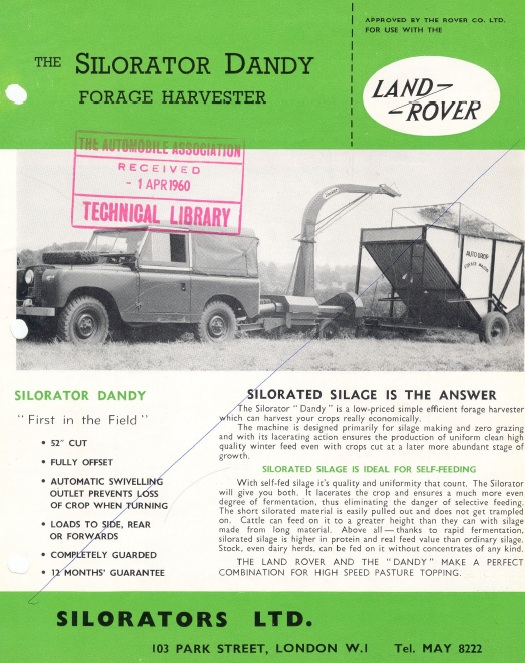
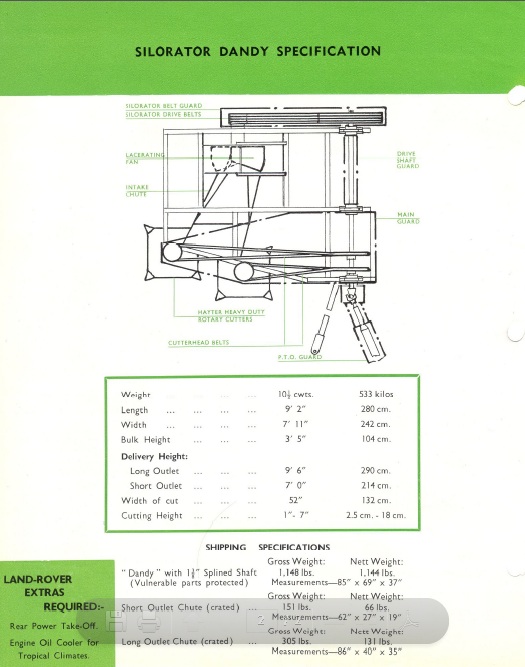
And with all going well hopefully we’ll have this back from the UK demonstrating on the day, and even better if we can get a landrover series ii with a pto box to power it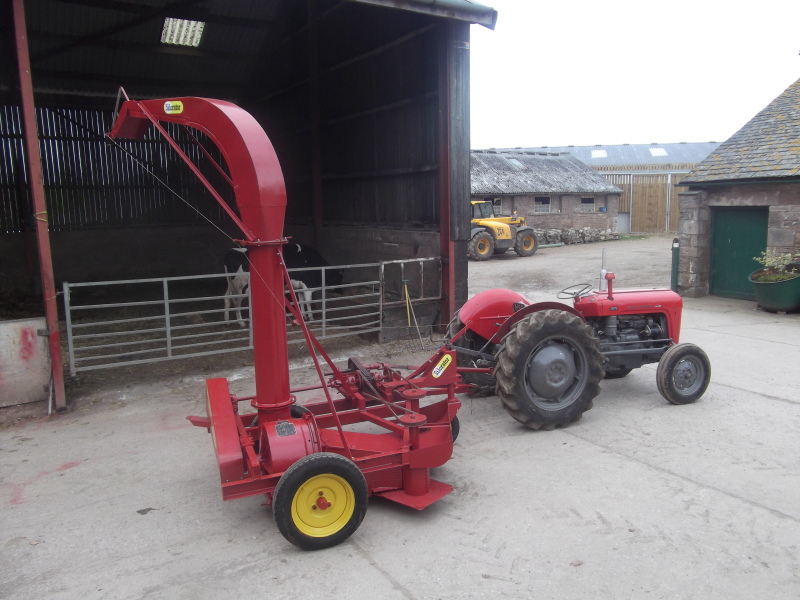
as the late 50’s approached the era of the single chop flail type forage harvesters were just being introduced the race was on to be the most successfull. Several different but ultimately quite similar ideas entered the market around the same year.
In 1957 David Brown introduced their Hurricane built in the albion factory in Lancashire, the HH1 was introduced with a fiberglass chute, but very rapidly updated to a metal chute the following year, called the HH2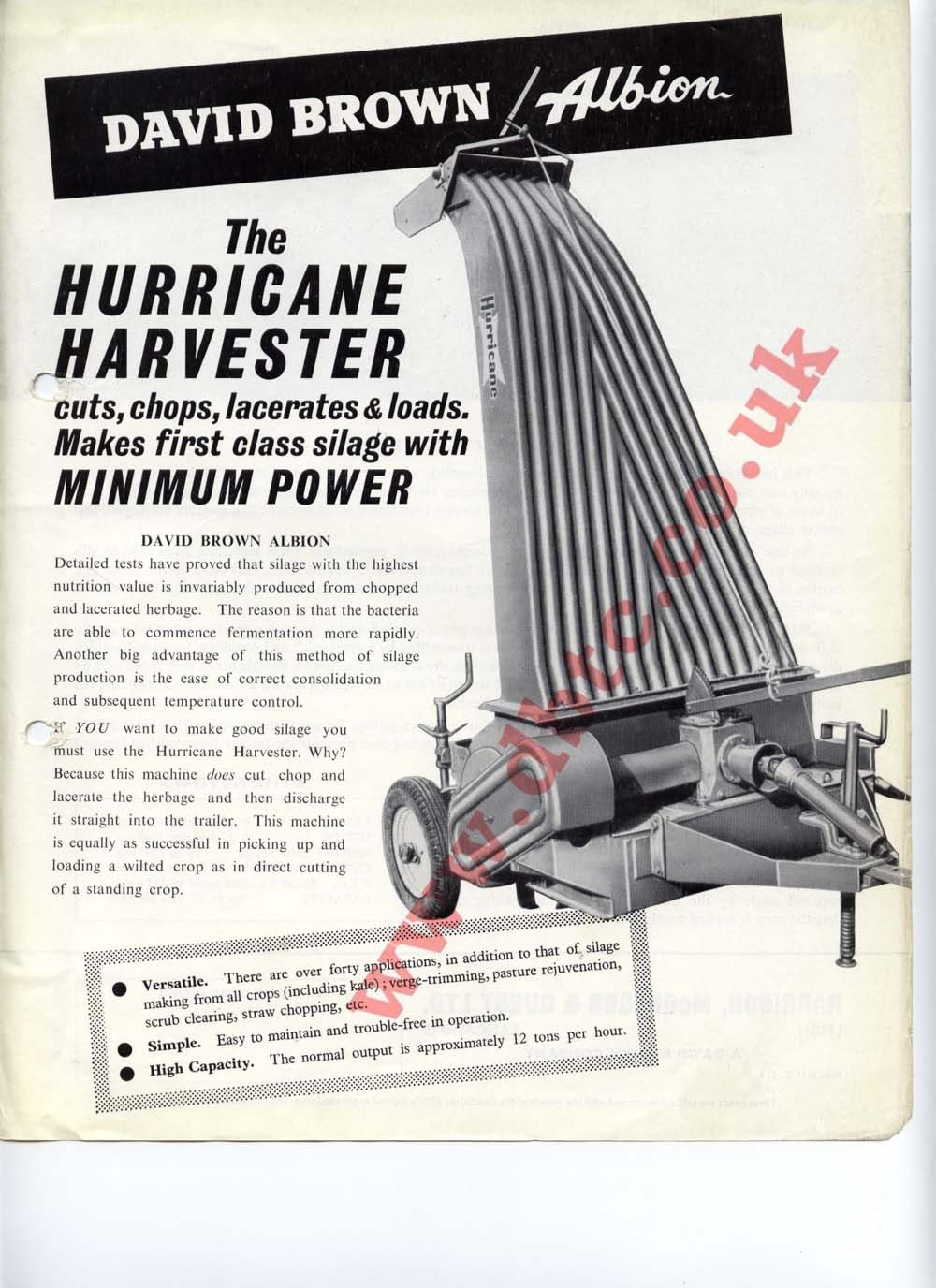
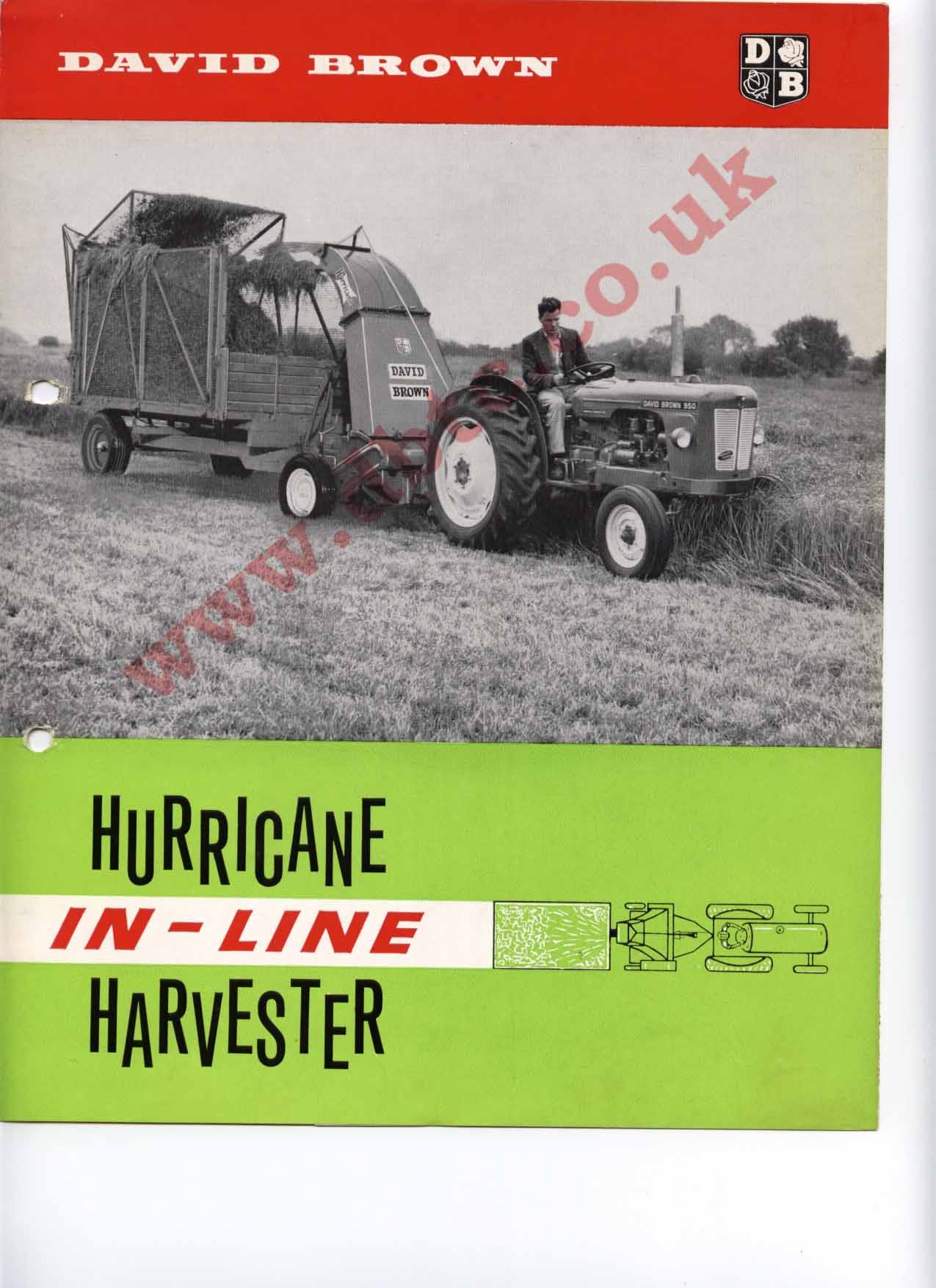
The era of the single chop forager was truly upon us.
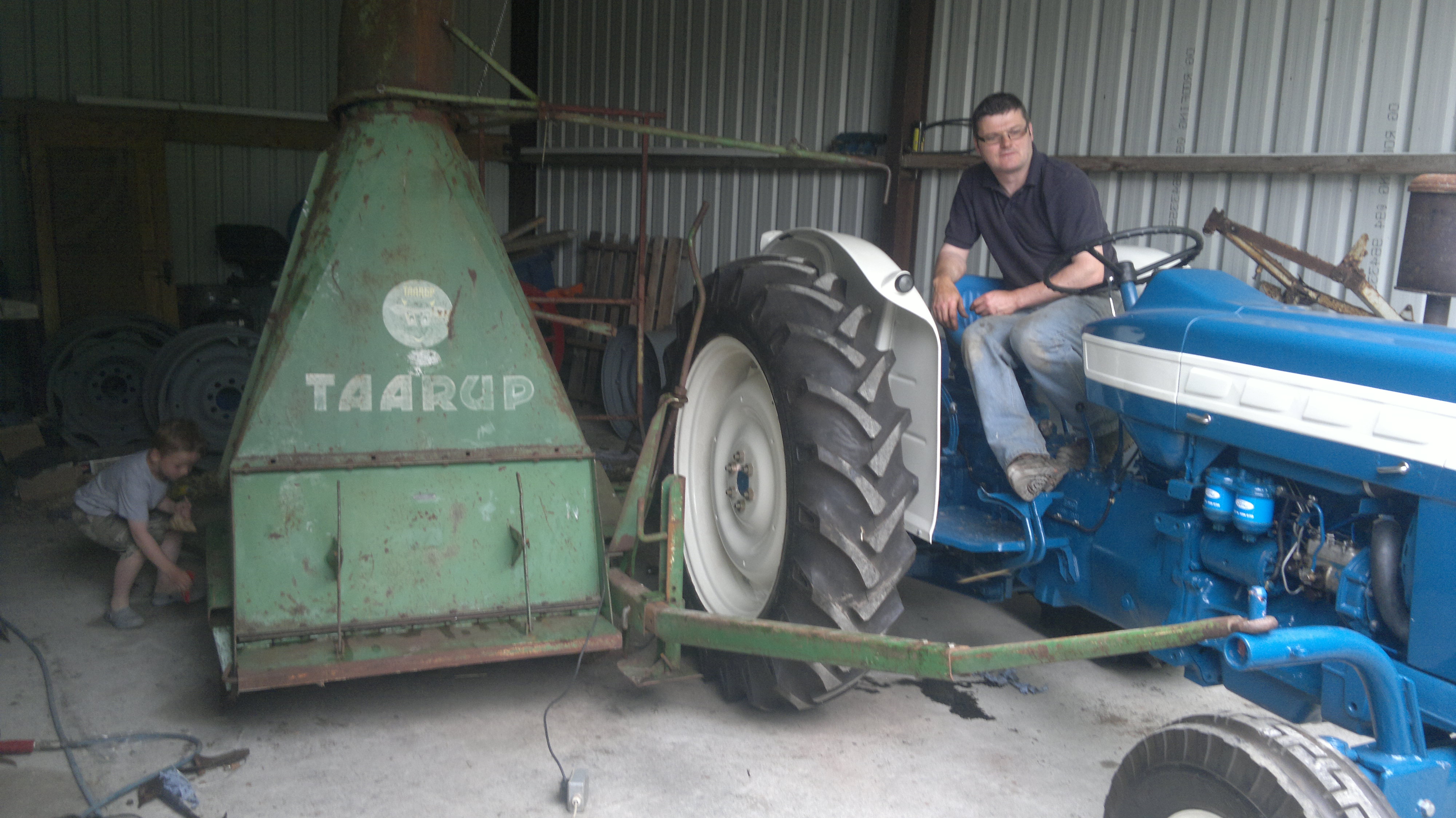
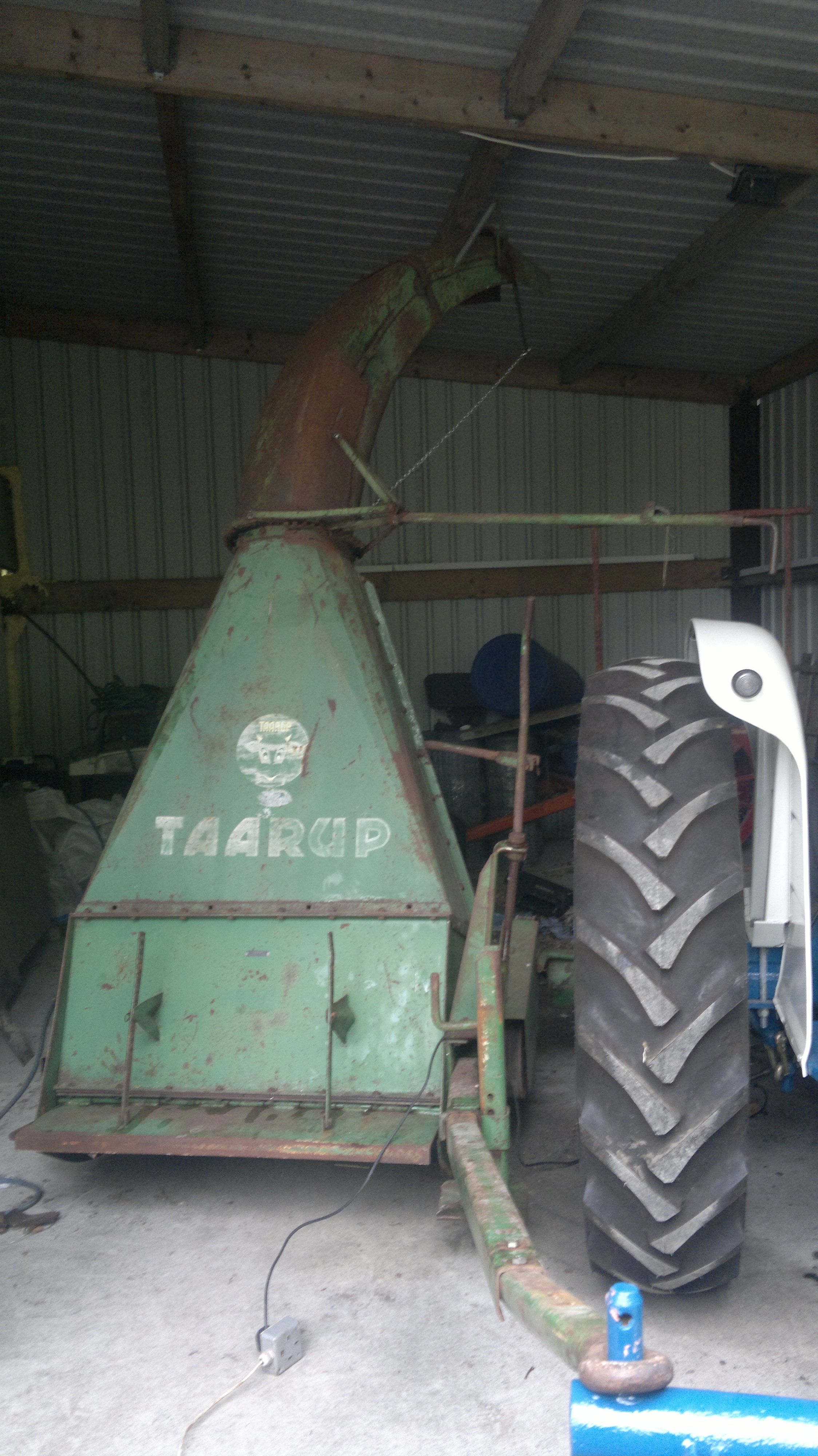
Kverneland responded to our call for information on single chop foragers giving us Taarup’s extensive history of single chop machines. In 1956 Taarup negotiated a licence with John Deere and Co to produce a novel forage harvester idea in Europe. On the 15th June in 1957 the first Taarup trailed S1100 machine was demonstrate in Kertiminde. It was hugely successful and began to go into production in 1958. Taarup’s turnover went from 4 million Danish Kroner to 24 Million in just two years. This early model was updated and the red colour discontinued by 1960 and in 1965 was completely discontinued, but 1962 saw the introduction of the more favoured type of machine most common in ireland, and sold in their thousands over the years. These early s1100 taarups are very rare come by but we’ve managed to aquire a 1959 Green (original colour) forager, and will be working on the day

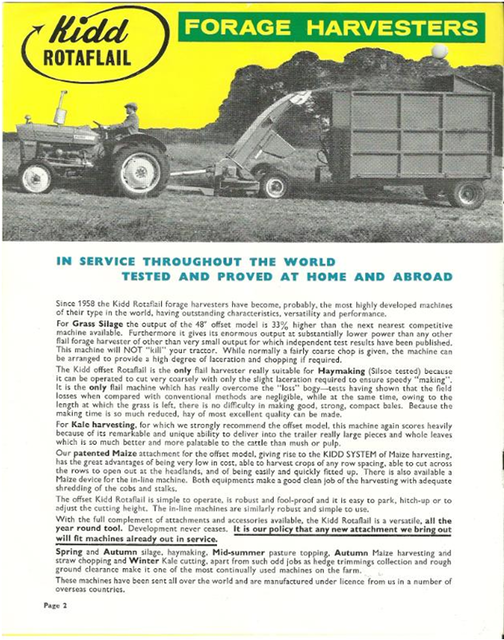
1958 saw the introduction of the Kidd rotoflail

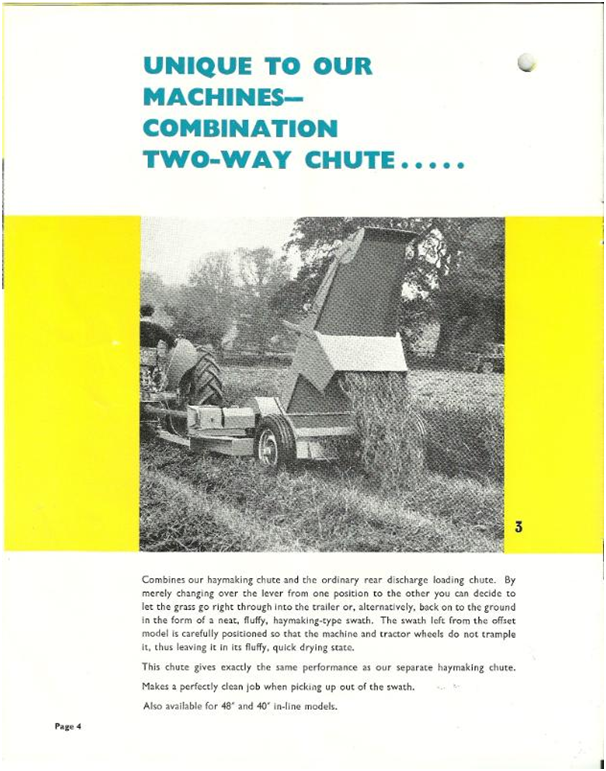
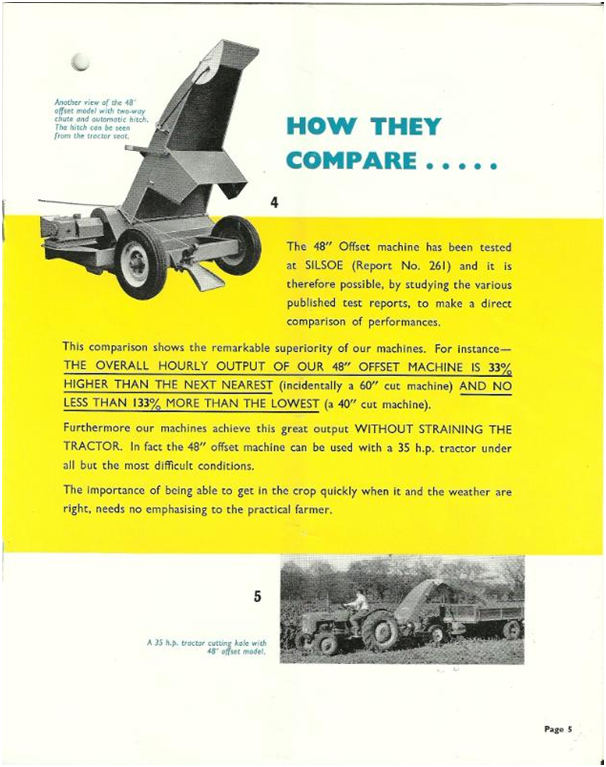
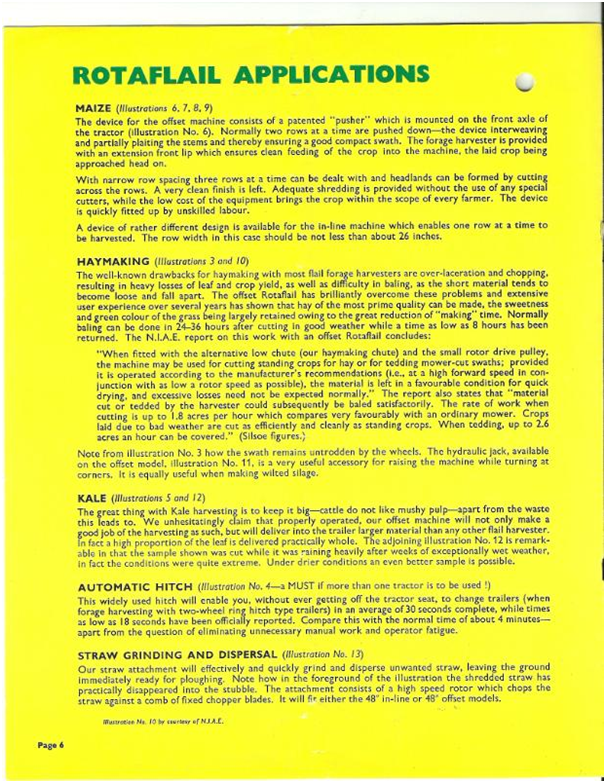
and also the Wilder Twaites Flail type
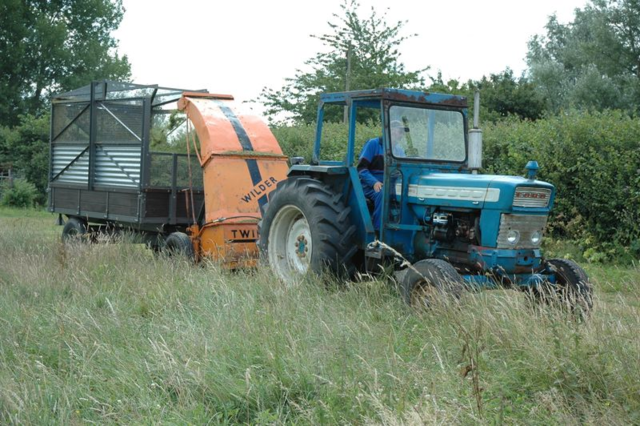
Unsuprisingly several other makers produced very similar machines, the similarities between the kidd, the wilder and the David Brown HH2 are significant, and finding out which were manufactured under licence or badge engineered (sold under licence) is quite hard to tell. The David Brown Hurricane HH1 was almost definitely a David Brown design and was for fact made in the Albion factory, the updated HH2 had vast similarities to that of the kidd and the wilder Taarup meanwhile had a tangent completely independant of these english manufacturers with what is concidered a superior design and were later joined in 1960 by JF with their side mounted forager, another very successfull manufacturer. On August 5th 2012 in Dunmore Co. Galway there will be no shortage of these single chop machines with upwards on 100 Single Chop forage harvesters cutting 25 acres of grass simultaneously
By 1965 the Double Chop was introduced by Taarup but didnt reign on the parade of the ever growing success of the single chop forager, and became the affordable option for farmers right through until the mid 70’s. some were even still available to buy new until 2005.
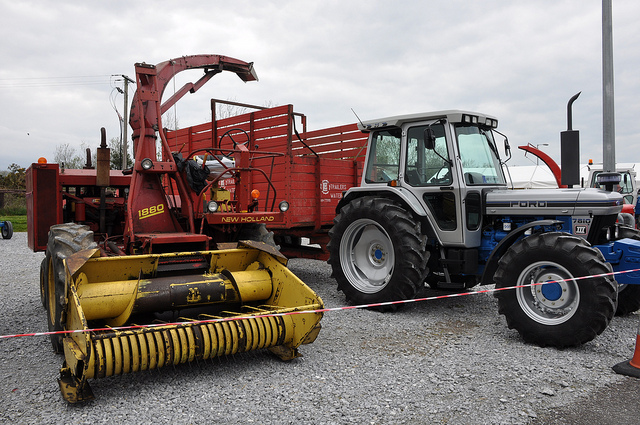
1960 New Holland produced the first self propelled forager, the SP818. The oldest forager in Ireland is a 1959 sp 1880 and has been confirmed to be working at the 2012 show
The 1960 sp818
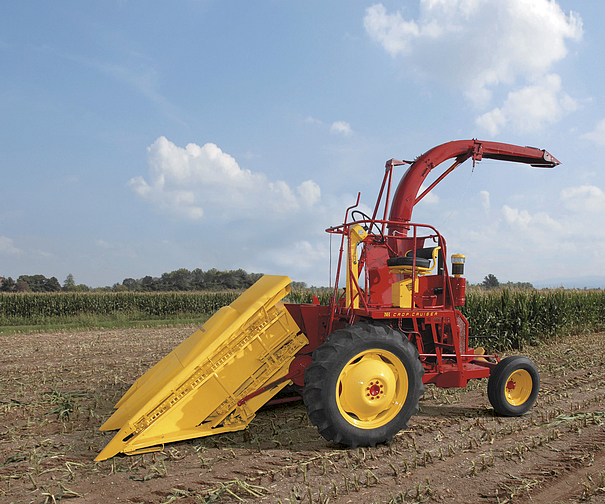
the oldest self propelled forager in Ireland


 DunmoreVintage.com
Pingback: Show 2012 & Single Chop Silage Registrations 2012 « DunmoreVintage.com